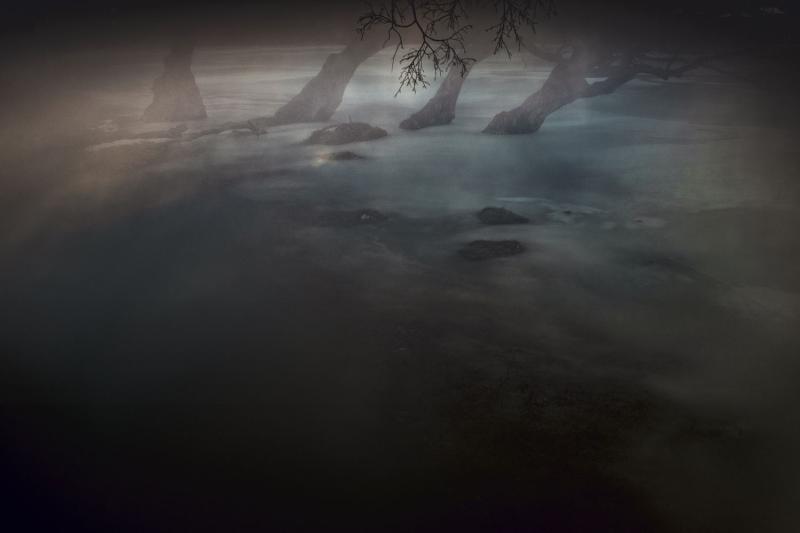
Image


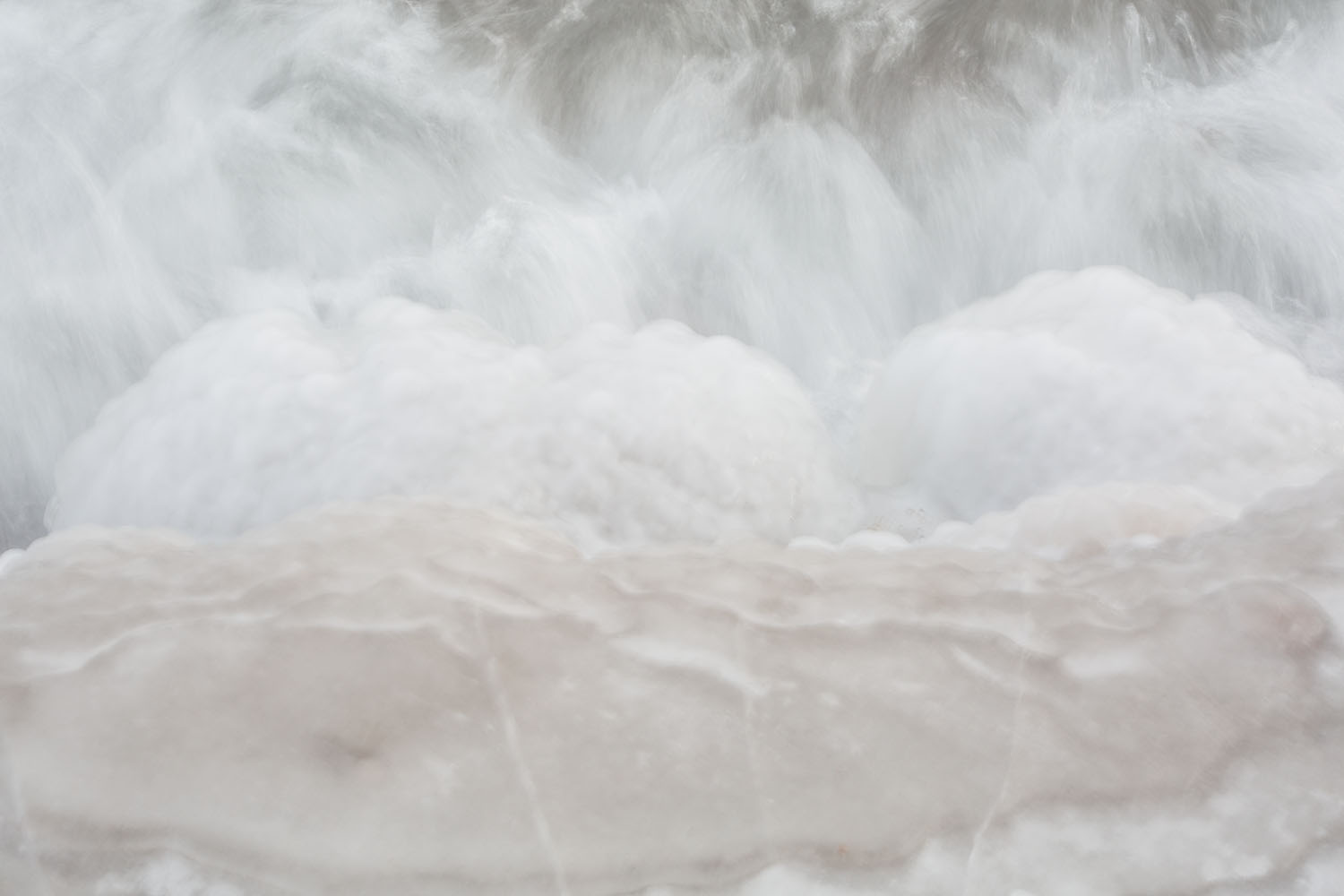
We heard that question more than once after Gabriela won a Fulbright Scholar Award to create a photography project in Siberia. Far from seeing it as a punishment, we relished the opportunity to finally encounter a natural wonder that had lived large in our imaginations.
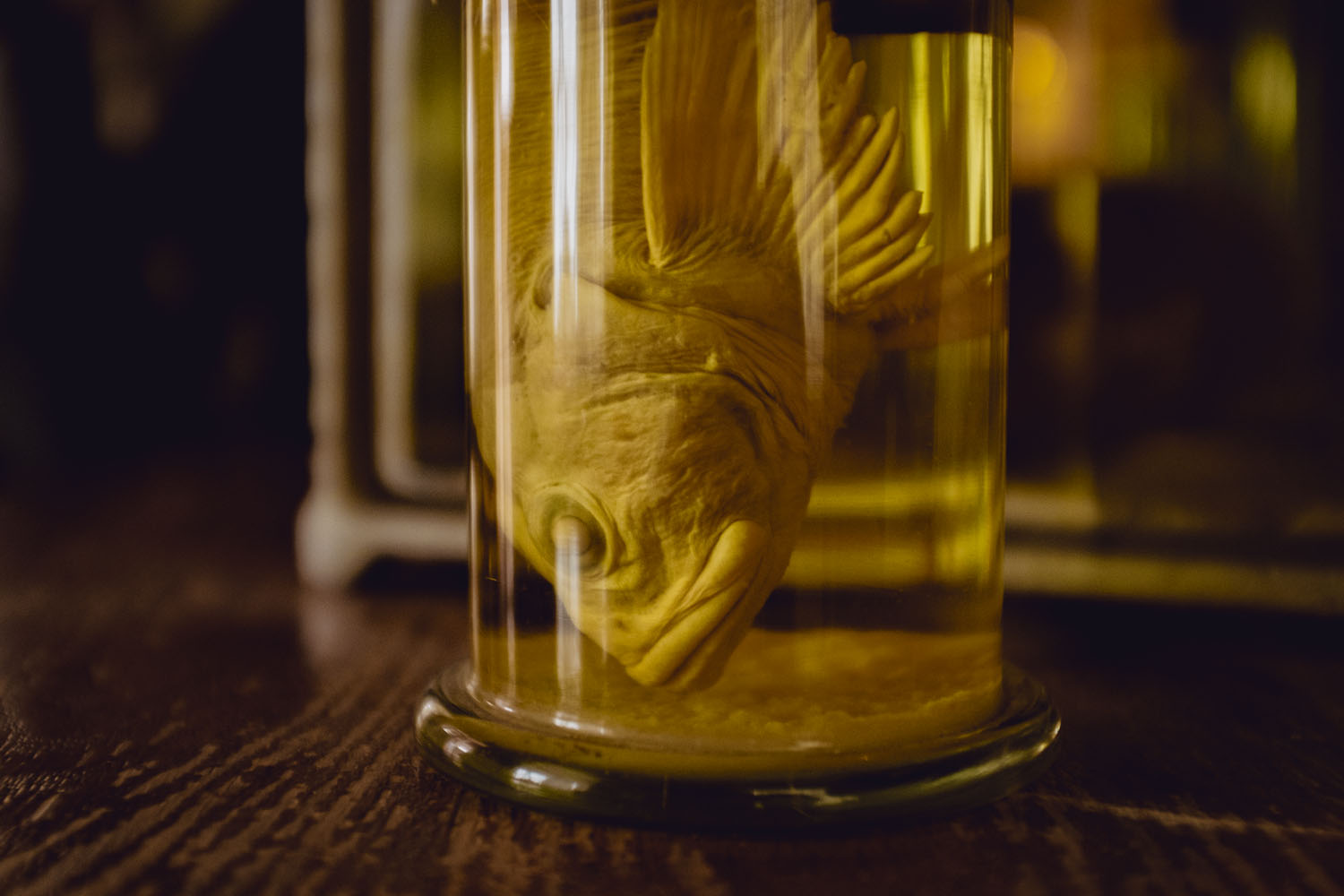
When Gabriela was a child in Czechoslovakia, her grandfather would turn a globe and show her the places he had visited during his career with the Ministry of Transportation. The Ural Mountains, the Caucasus, the Black Sea. None intrigued her as much as the magical, frozen lake far in the east, Siberia’s Lake Baikal, whose black depths plunge 5,387 feet and hold one-fifth of the world’s freshwater, along with thousands of unique species—some so exotic as to seem unreal. A lake where the intricately patterned frozen surface is so thick that it thunders when it cracks. A lake that, having formed in what’s known geologically as a rift valley, is slowly expanding and could, over millennia, eventually become an ocean.
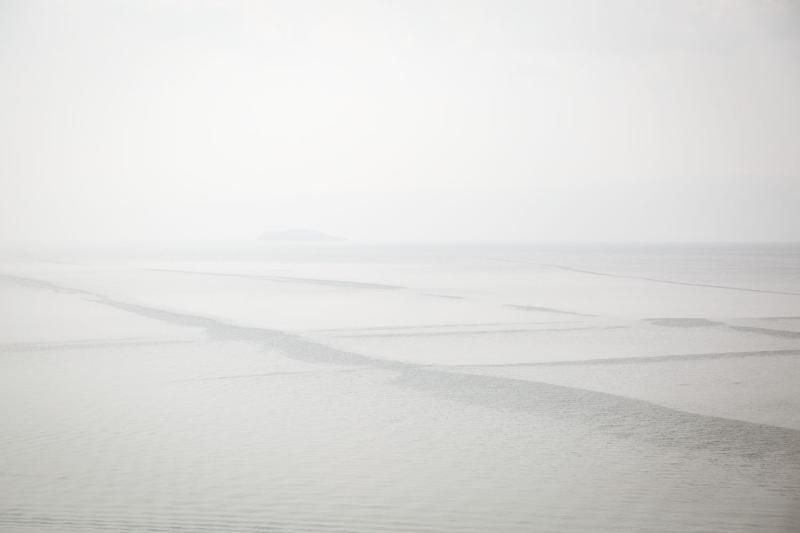
We journeyed to Siberia with an abundance of warm clothes, including extra-sturdy snow boots and mittens that resembled boxing gloves. Our idea was to create a documentary film and photography project about the serious ecological problems facing Lake Baikal. Data shows that the deepest parts of the lake are still pristine, but that shallower areas, particularly in the vicinity of tourism centers, are severely polluted. The entire ecosystem, meanwhile, is threatened by rising temperatures.
A few days after arriving in Irkutsk, the closest large city to the lake at forty miles away, we set out to see Baikal for the first time, traveling upstream on the Angara River. As it came into view, all our careful planning was completely upended: The lake was even more majestic and mysterious than Gabriela’s grandfather had conveyed. In its scale and beauty, it evoked the primeval power of nature. We understood why Indigenous people in the area consider it a living being and call it the “Sacred Sea.” And we knew in an instant that a traditional documentary project simply would not do.
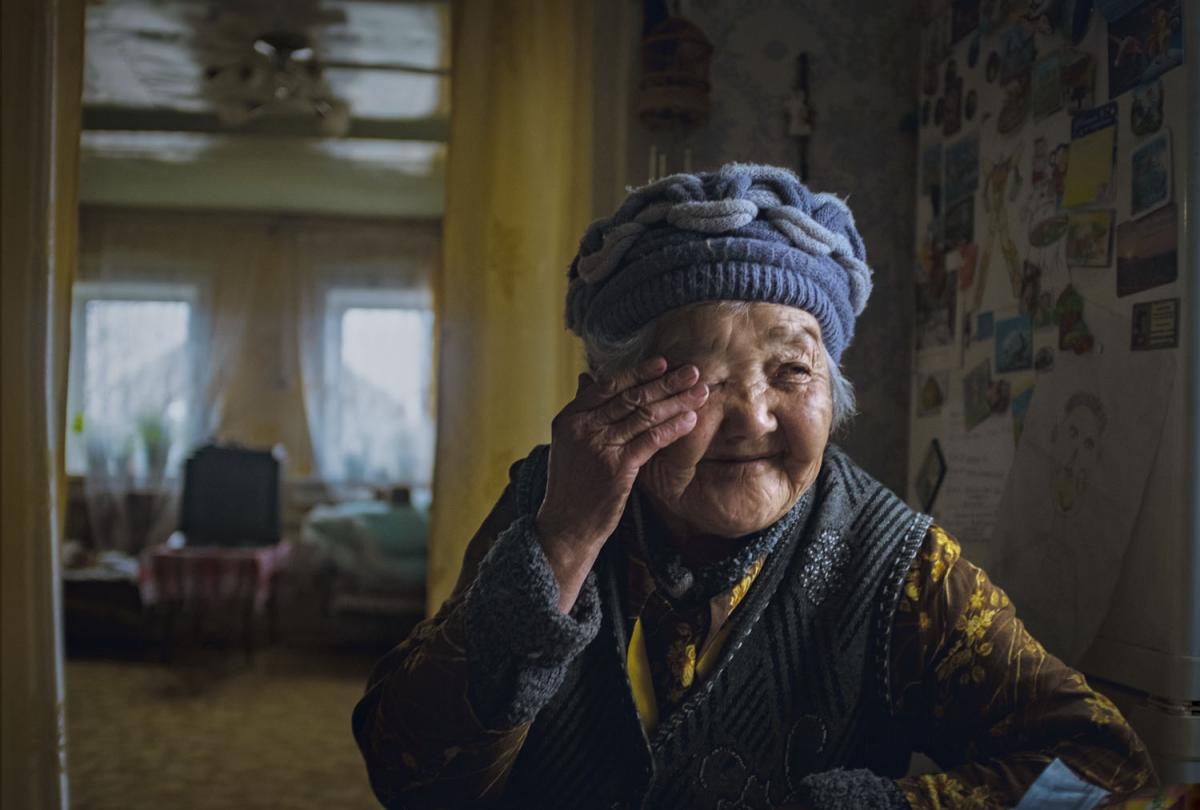
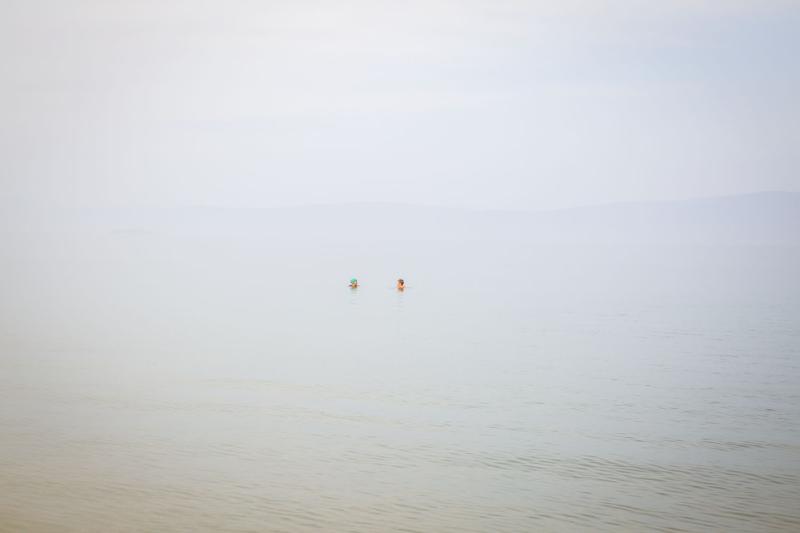
We spent almost a full year drifting on Baikal’s tender swells, embracing its subtle details, treasuring the diversity of its creatures, befriending its residents, and engaging with a feeling that we couldn’t quite explain but knew was part of the lake’s spiritual force.
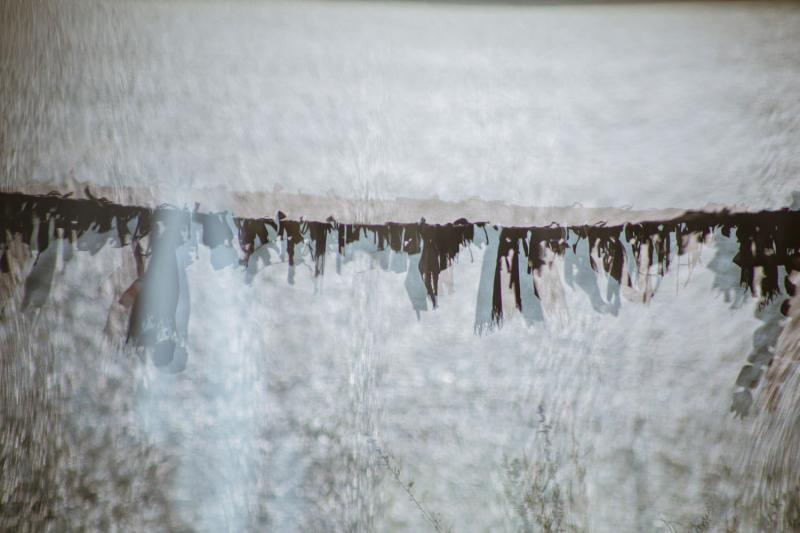
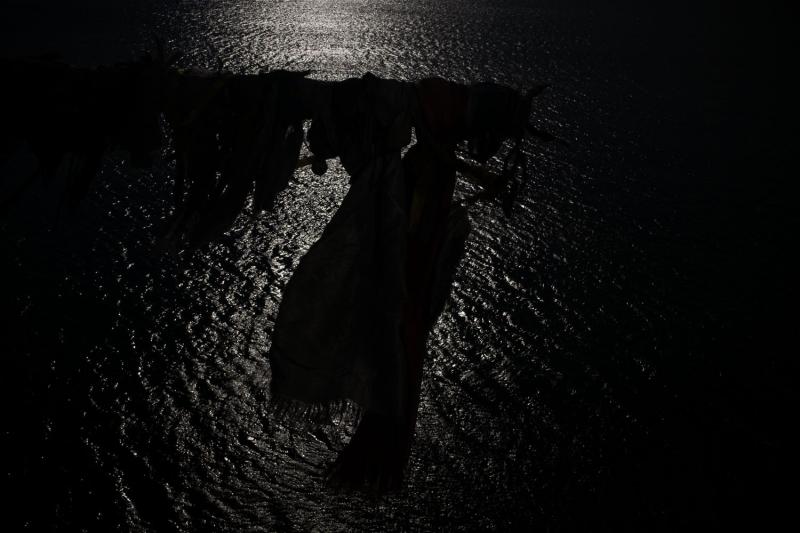
This mystical ambience was always part of the lake’s character. The Indigenous Buryat people, who practice shamanism or Buddhism (and often both), believe that spirits inhabit the land around the lake, and that it is important to honor them by pouring out alcohol, placing coins, or tying ribbons at sacred spots.
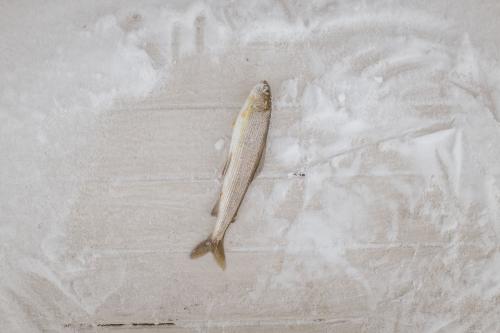
Time and again, we were surprised to notice that a particular location held a distinctive resonance. On Olkhon Island, the most sacred place for Buryats, we felt almost spellbound when a determined black dog shadowed us along the coast, then led us off the path, ravens circling overhead, to a makeshift labyrinth made of stones. After a shaman performed a ritual in Ulan-Ude for our project’s success, she said that the spirits not only welcomed us but had been waiting for us.
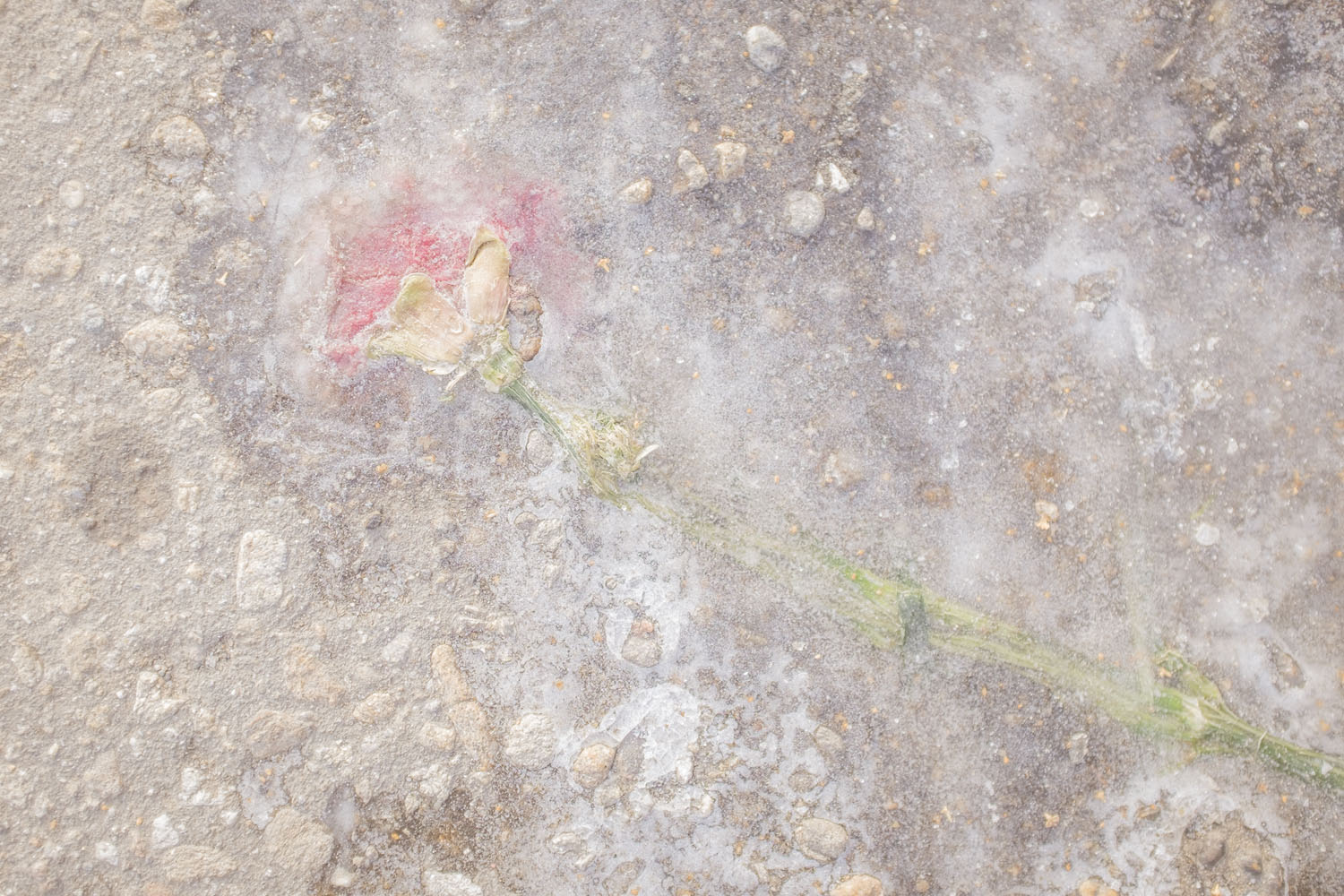
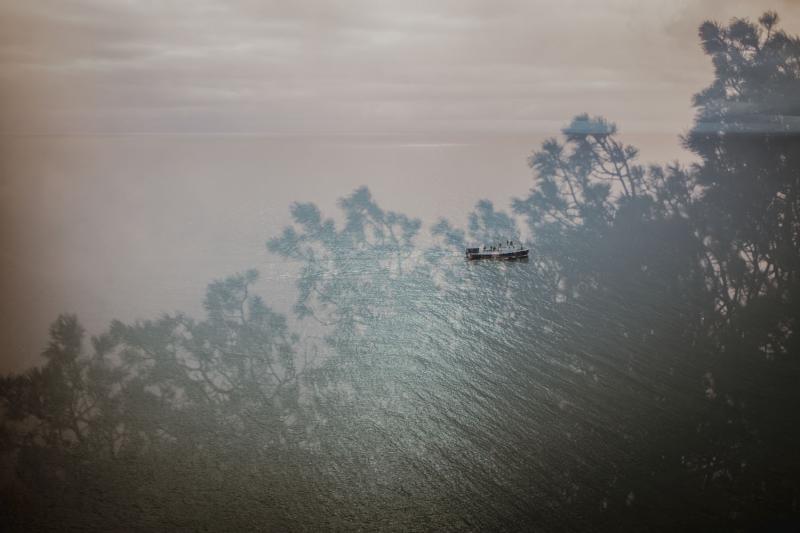
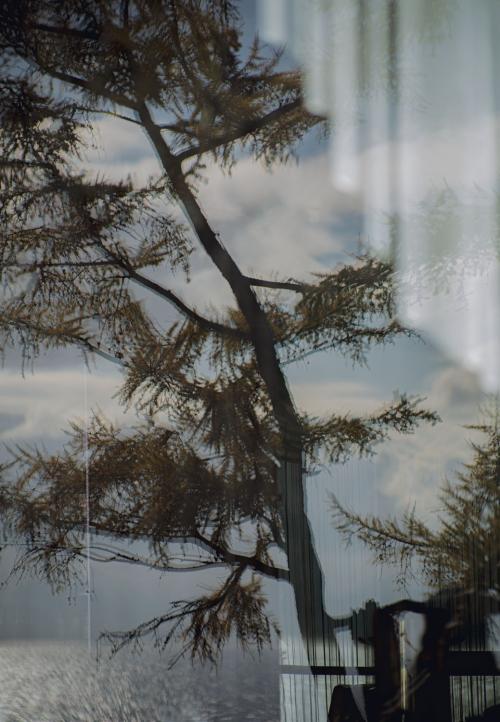
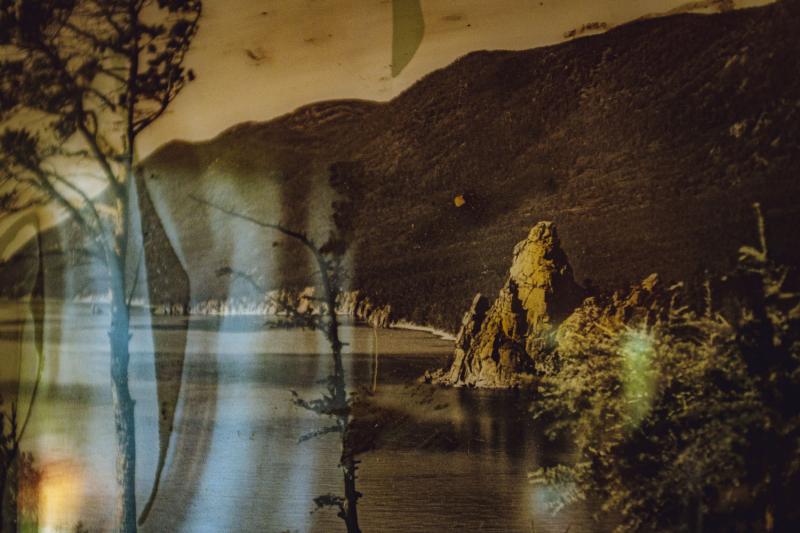
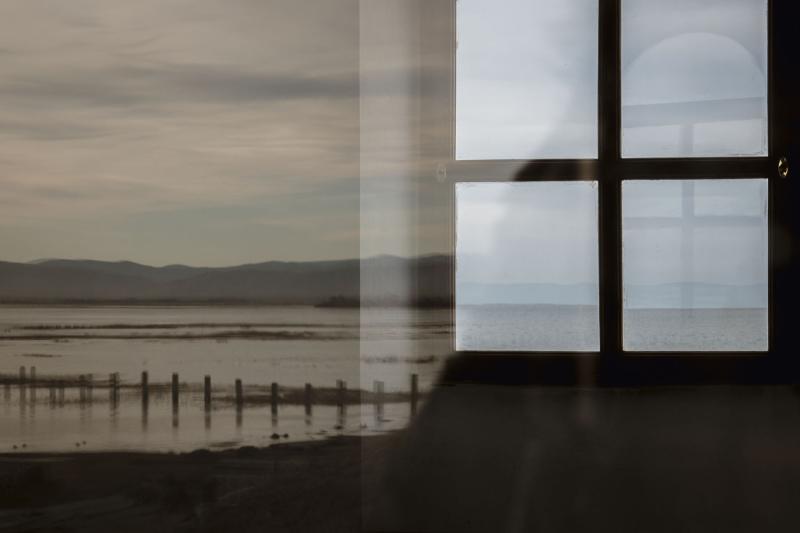
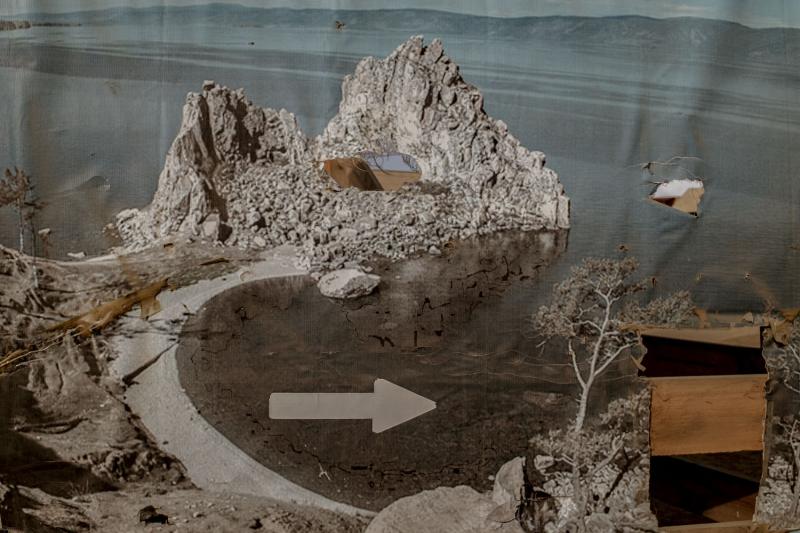
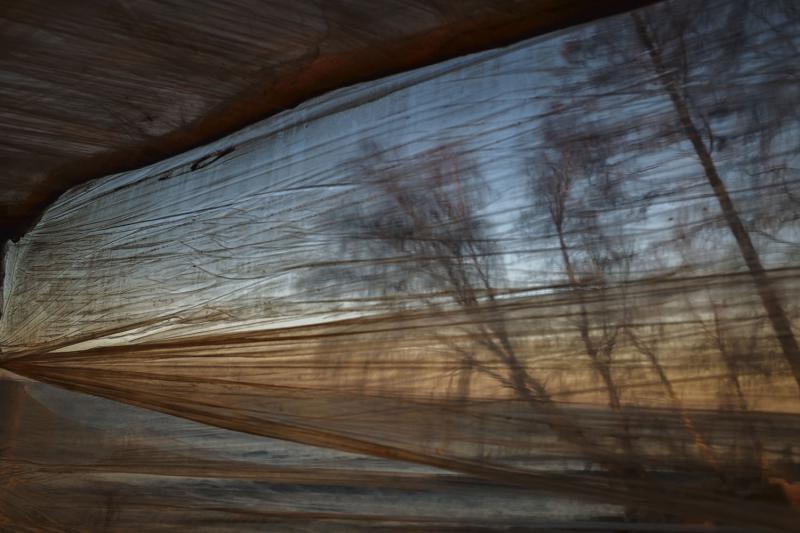
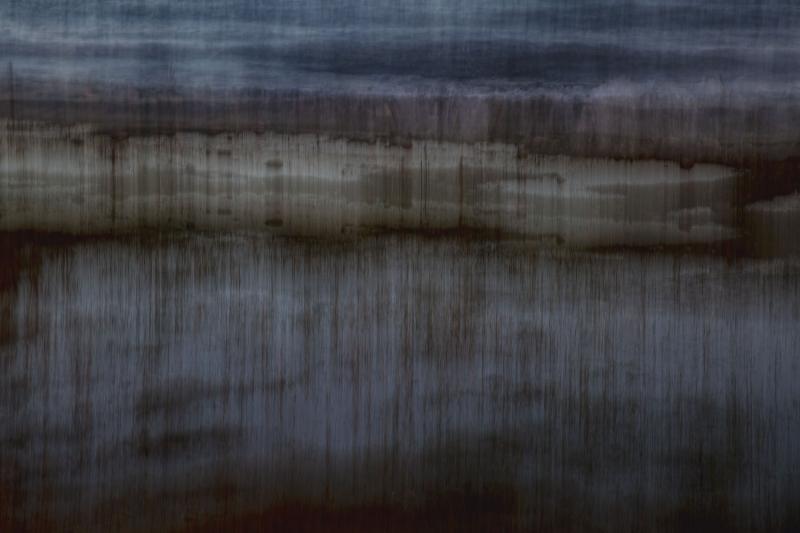
In the end, our project was heavily influenced by Baikal’s otherworldliness and mystery. It became a love letter to the lake instead of a documentary about it. The project includes experimental photographs, multichannel videos, essays, and original music based on climate data. It immerses the viewer in what Siberian author Valentin Rasputin calls the “eternity and perfection” of the lake and uses a semi-abstract approach to make clear that Baikal’s problems affect everyone around the globe.
According to Buryat legend, Lake Baikal was created by a violent earthquake, when lava gushed out of crevices torn in the Earth. Nearby dwellers, terrified, cried “Bai, Gal!”—“Fire, stop!” Their prayers were answered, and the chasm filled with crystalline waters, creating the Sacred Sea.
Now a second fire—that of climate change—threatens the lake’s equilibrium. The region is among several experiencing the fastest temperature increases in the world. Surface water temperatures there have risen by 1.2 degrees Celsius since 1946, meaning its ice cover has become progressively thinner, is delayed in forming, and persists for fewer days each year. This affects everything from tiny diatoms to the nerpa, the freshwater seal at the top of the lake’s food chain. A cry of “Fire, stop!” seems just as apt today as it was the moment Baikal was born.
Climate change, however, is not the most immediate threat to the lake’s health. Its coastal waters are severely polluted due to untreated sewage and detergents that flow from settlements and tourist lodges. Giant swaths of toxic algae foul the beaches during the summer, and there is a mass die-off of Baikal’s precious green sponges, which play an essential role in filtering the water. According to Professor Marianne V. Moore of Wellesley College, who has studied the lake for decades, “Because the tall, branching sponges grow very slowly, it will take seventy to one hundred years for them to return to their former state even if action is taken now to protect them.”
It may be surprising to learn that, until this year, Russian law provided substantial protections for the lake and its surrounding ecosystems. These were hard-won achievements of local environmentalists who struggled against the odds to gain government support. The conflict with Ukraine, however, has undermined these safeguards by empowering a “hardship of war” concept popular among those seeking to exploit the lake. Western sanctions have served as a pretext for the Russian government to abandon environmental protections and intimidate activists, arguing that the economic strain requires growth as a remedy. This includes not only extensive logging of Baikal’s forests, but also tourism and real estate developments. The lake is being heavily promoted as a destination for Russians who cannot travel abroad, and it is increasingly besieged by the construction of lodging and hotels, all without proper sewage treatment facilities to mitigate the environmental pressures accompanying a surge in tourism.
On March 1, 2026, a new amendment to federal law, signed by Vladimir Putin, took effect. It expands “sanitary logging” rights, allowing clear-cutting in response to purported ecological threats, such as damage from beetle infestations or forest fires. It also permits expansive new construction across vast areas where it was previously forbidden. As a result of these changes, all ostensibly made in the interests of the lake, one local ecologist noted that “the year 2026 could be fatal, because the law ‘On the Protection of Lake Baikal’ was turned into the law ‘On the Destruction of Lake Baikal.’”

In the longer term, emerging threats in Siberia could create a feedback loop—in which multiple negative impacts on the environment amplify each other—thereby accelerating warming and ecological damage. In the north, seemingly endless stretches of permafrost are melting, discharging carbon dioxide and methane. Rampant summer wildfires are driving dramatic forest loss and sending toxic runoff into the lake. Increased logging also contributes to deforestation. And as temperatures soar, the flow of the lake’s more than 330 tributaries is dwindling.
Toward the end of our travels, smoke from wildfires nearly the size of Maryland began to choke the air around the lake. In response, a group of forty shamans from across Siberia gathered on Olkhon Island to pray for rain—a rare ceremony that underscored the severity of the moment. The shamans believe in the Sacred Sea’s resilience, in its power to heal itself, but it’s also clear that, in an age of escalating environmental crises, progress is going to require action on a global scale to offset the damages of so much heedless policy and practices.